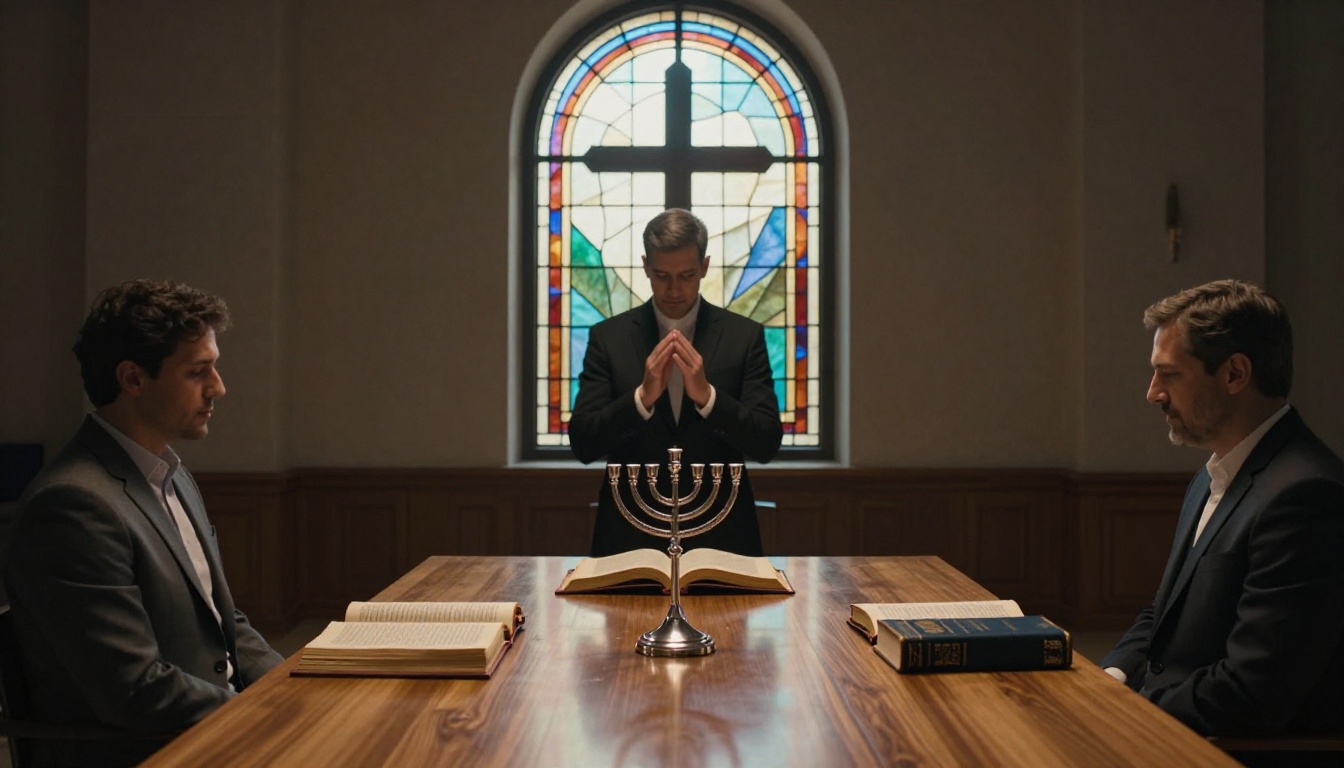
A Messianic congregation follows Yeshua, the Hebrew name commonly used for Jesus Christ, while drawing close to the Jewish roots of faith. Scripture readings, Shabbat gatherings, Hebrew prayers, and biblical festivals often give worship a familiar Jewish rhythm.
So, what are Messianic church beliefs? Often connected with Messianic Judaism, they center on faith in Yeshua as the Promised Messiah, love for the Torah and Hebrew Bible, and God's promises to Israel. Still, practices and teachings differ, so no single congregation speaks for every Messianic believer.
Key Takeaways
- Messianic believers commonly identify Yeshua, whom Christians know as Jesus Christ, as Israel's promised Messiah and Savior.
- Many honor the Tanakh and New Testament as connected, authoritative Scripture.
- Salvation by faith in Yeshua comes through God's grace, while Torah observance expresses faithful obedience rather than earning salvation.
- The Holy Spirit guides believers, while Shabbat and Jewish holidays often shape weekly worship and the annual calendar.
- Jewish identity remains meaningful, while Gentile believers are welcomed into the community.
What Does the Messianic Church Believe?
Messianic Judaism describes Jewish and non-Jewish believers who trust Yeshua as the Messiah while valuing Jewish biblical heritage. The movement traces part of its story to the first-century Jewish Jesus movement. Modern congregations also developed through earlier Hebrew Christian movement communities, though that label isn't interchangeable with the modern movement in every setting.
Many congregations teach faith in one God, the authority of Scripture, salvation through Yeshua, and the Torah's covenantal setting within the Mosaic Covenant. Salvation rests on God's grace, not human achievement, while the Holy Spirit renews and guides believers in daily faith. Some congregations also share beliefs with Evangelical Christianity, while differing in worship practice and Jewish context.
Their language may differ. Some say "Messianic Jewish congregation," while others use "Messianic church" or "Messianic fellowship." These differences reflect varied histories and theological emphases within the movement.
Representative networks include the Union of Messianic Jewish Congregations and the Messianic Jewish Alliance. Neither organization governs every congregation. Jewish identity, peoplehood, and the modern State of Israel may also hold different levels of importance across congregations.
Jews for Jesus is a recognizable evangelistic ministry focused on Jewish outreach. However, Jews for Jesus isn't synonymous with every Messianic congregation or with the entire movement.
A Messianic Judaism overview from Rabbi Jason Sobel describes the movement as Jewish people who believe Yeshua is the Messiah promised in the Hebrew Bible. Yet congregations don't answer every theological or practical question in the same way.
Looking for a Messianic Church to visit ?
Come to HOAM
House of Adonai Messianic Fellowship in Ottawa. We are a Messianic Church and We keep the Torah, Learn how the first Christians live and walk according to the Bible.
Click HereWhy Yeshua Is at the Center of Messianic Faith
Messianic believers identify Yeshua as Jesus Christ, Israel's Messiah, and redeeming Savior. They read His birth, teaching, death, resurrection, and promised return through Israel's story and the words of the prophets.
For many, promises in Isaiah, the Psalms, Daniel, Zechariah, and the Torah point toward Yeshua's mission. This conviction creates a clear difference between Messianic faith and Rabbinic Judaism, which doesn't accept Jesus as the Messiah. The two traditions reach different conclusions about Yeshua. Many Messianic believers also reject Replacement theology, though congregations vary in how they explain Israel's continuing place in God's purposes.
How Messianic Believers Read the Bible
The Tanakh gives the setting for covenant, sacrifice, Israel, Torah, and the hope of redemption. Most Messianic congregations also receive the New Testament as the New Covenant writings alongside the Tanakh.
They read these books as one unfolding account rather than two competing faiths. For many, the Mosaic Covenant shapes covenant identity and practice, but Torah observance doesn't earn salvation. Translation choices, Hebrew terminology, and interpretation can vary, while the connection between the Tanakh and Yeshua remains central.
How Torah, Shabbat, and Biblical Festivals Shape Worship
For many visitors, worship is where Messianic Judaism becomes visible. A Saturday gathering, sometimes held in a Messianic synagogue, may include music, prayers, Scripture readings, teaching, and shared food afterward.
Torah observance differs widely. Many believers connect Torah practices with faithfulness to the Mosaic Covenant, not a ladder for earning salvation. In that view, obedience grows from gratitude and faith.
Why Many Congregations Gather on Shabbat
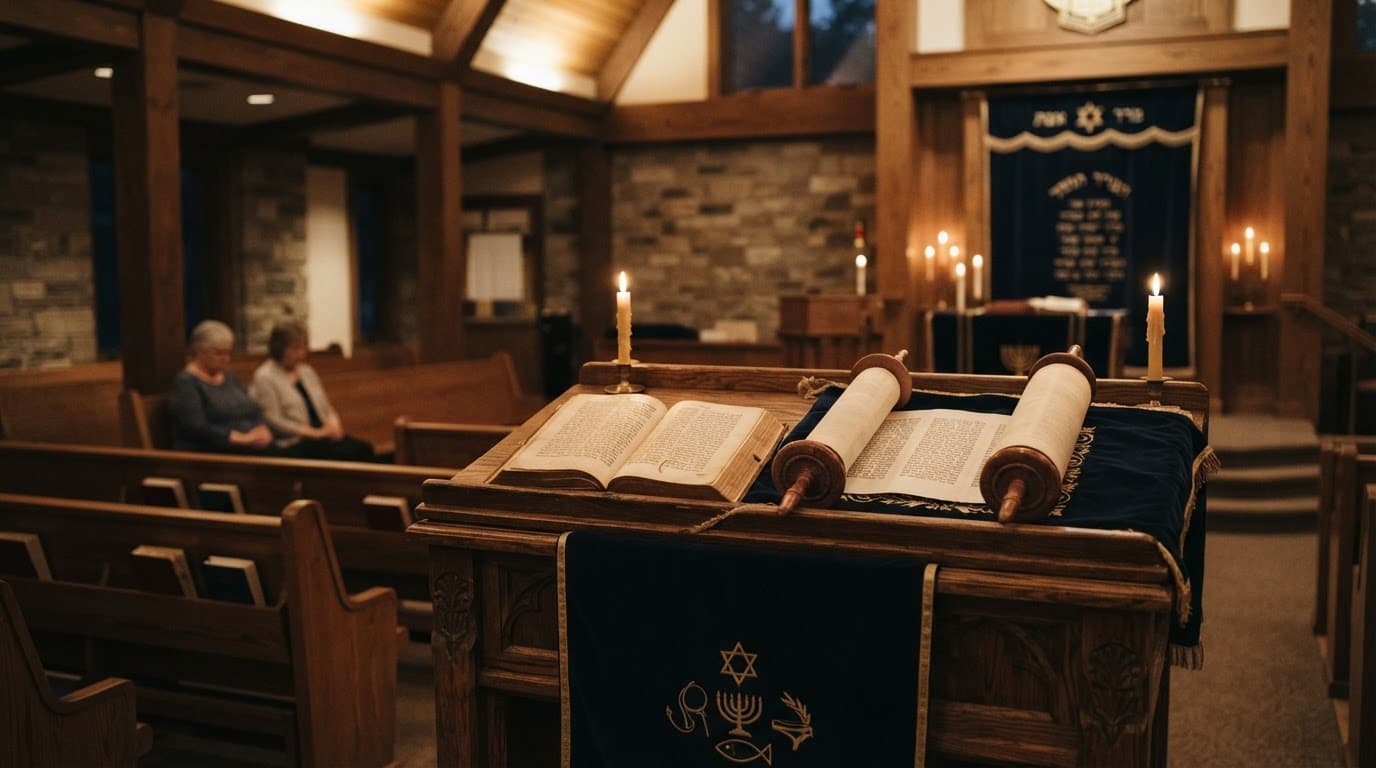
Shabbat begins Friday evening and ends Saturday evening. Many Messianic congregations gather during this time for rest, worship, fellowship, and Torah study.
A service might include Hebrew blessings, worship songs, readings from the Torah and prophets, teaching about Yeshua, and prayer that welcomes the work of the Holy Spirit. Some communities follow a detailed liturgy, while others have a simpler, church-like format.
Which Biblical Feasts Are Commonly Celebrated
Jewish holidays such as Passover, Unleavened Bread, Shavuot, Yom Teruah or Rosh Hashanah, Yom Kippur, and Sukkot often fill the Messianic calendar. These days connect worshipers to the story of Israel and, for believers, to events in Yeshua's life and mission.
For example, many Messianic families hold a Passover Seder and discuss Yeshua in relation to the Passover lamb. A guide to biblical holidays celebrated by Messianic Jews also describes the role of Shabbat and the annual feasts in community life.
Some congregations observe Purim and Hanukkah as well. The names, customs, and level of participation can differ from one fellowship to another.
Kosher Food, Hebrew Terms, and Other Practices
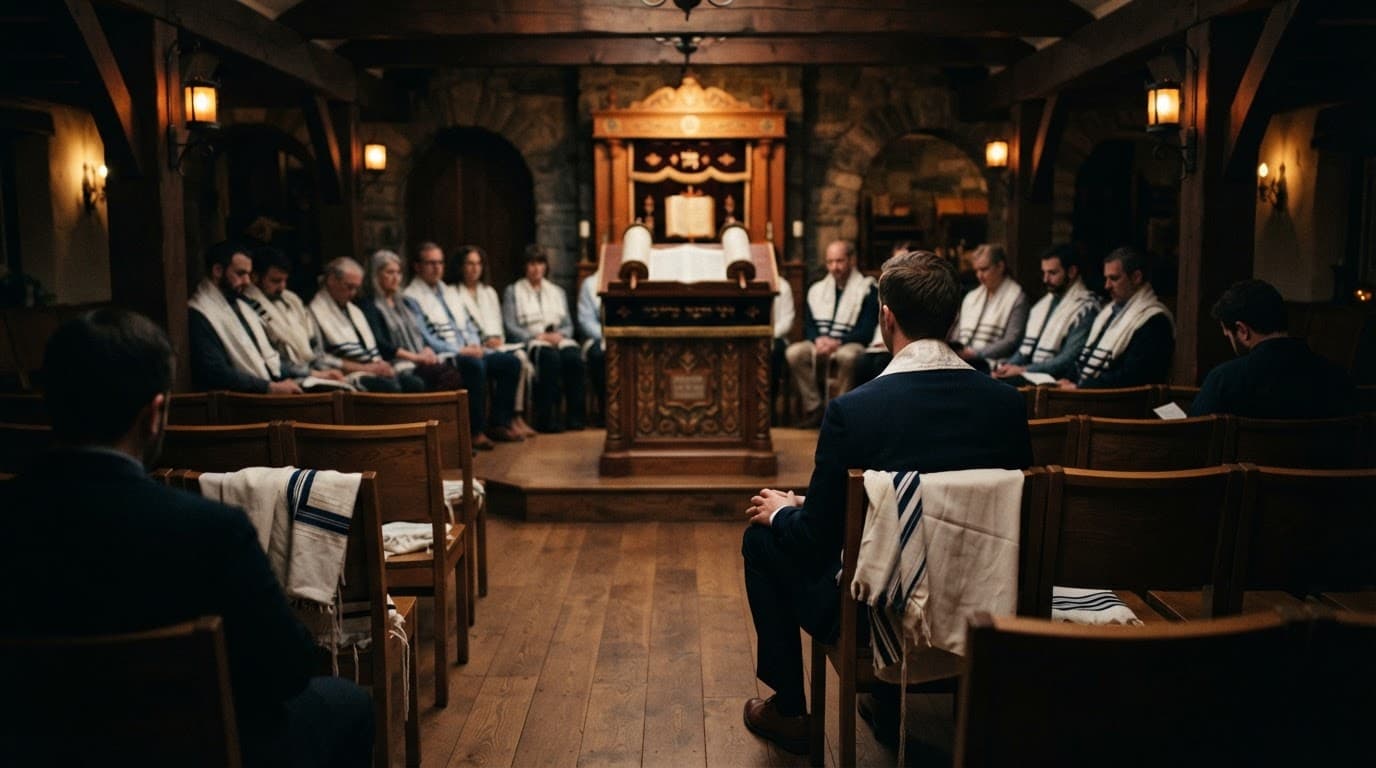
You may see Torah scroll readings, prayer shawls called tallit, Hebrew songs, or biblical dietary choices. Some people keep kosher in a traditional way, while others follow selected dietary laws or none at all. Visitors should ask about dietary laws before shared meals.
Tefillin, tzitzit, and Hebrew prayers may appear in certain communities. Visitors should treat these customs with respect, but they shouldn't assume every practice is required of them.
A Hebrew word or Jewish custom can enrich worship without becoming a test of whether someone belongs.
How Messianic Beliefs Compare With Christianity and Judaism
Messianic congregations often share core beliefs about Yeshua, also known as Jesus Christ, with Evangelical Christianity. Messianic Judaism differs from Rabbinic Judaism while affirming Yeshua's Messiahship, atoning death, resurrection, and Second Coming. It also retains Jewish worship forms, Shabbat, and biblical festivals.
In the Jewish setting of the early Jesus movement, this faith developed alongside the Hebrew Christian movement. Messianic Judaism has a distinct place between Jewish identity and Christian belief. A broad reference overview of Messianic Judaism explains this distinctive relationship.
In contrast, Rabbinic Judaism does not accept Yeshua as Messiah. Rabbinic Judaism also does not receive the New Testament as Scripture. Many Jewish communities and institutions do not recognize Messianic Judaism as part of mainstream Judaism.
The answer to "what does the Messianic church believe" therefore includes both continuity and disagreement. Messianic believers see faith in Yeshua as rooted in Israel's Scriptures, while Rabbinic Judaism reaches a different conclusion about Him. Many also emphasize Israel's continuing significance and reject Replacement theology, the view that the church replaces Israel.
What Salvation and Torah Obedience Mean Together
Many Messianic congregations teach that salvation comes through God's grace and faith in Yeshua. Torah observance does not purchase forgiveness or make a person acceptable to God.
At the same time, Torah practice can shape daily faithfulness and express connection to the Mosaic Covenant. Jewish believers may observe it as part of covenant identity, gratitude, holiness, and obedience. Congregations differ on how these instructions apply to Gentile believers.
Where Jewish and Gentile Believers Fit
Jewish believers often continue to live as Jewish people after trusting Yeshua. Faith in Yeshua doesn't automatically erase Jewish identity, so they may keep Shabbat, festivals, and family customs.
Gentile believers are usually welcomed without being told they must become Jewish. Many Messianic teachers describe Gentiles as grafted into God's people through faith. Still, local congregations apply that teaching differently, so a conversation with leadership matters.
Looking for a Messianic Church to visit ?
Come to HOAM
House of Adonai Messianic Fellowship in Ottawa. We are a Messianic Church and We keep the Torah, Learn how the first Christians live and walk according to the Bible.
Click HereWhat to Expect at a Messianic Congregation
A first visit to a Messianic congregation, part of the broader Messianic Judaism movement, often feels both familiar and new. You may hear worship music and a Bible message, while the gathering happens on Saturday and includes Hebrew blessings or a Torah portion.
People in Ottawa who want to learn more about Yeshua and the Torah can visit House of Adonai Messianic Fellowship, a local Messianic synagogue. The fellowship publicly lists Saturday gatherings at 10:00 A.M. at 480 Charlemagne Boulevard in Orleans, Ontario. Confirm the current meeting details before attending.
Questions to Ask Before Your First Visit
A short phone call or email can make a first visit more comfortable. Ask whether children have a class, whether food is served, and whether shared meals follow specific dietary laws.
It also helps to ask how much Hebrew the service uses, whether visitors participate in readings, and what the fellowship teaches about Torah and salvation. Respectful questions show care and help prevent assumptions about local customs.
Frequently Asked Questions
Do I need to know Hebrew to attend a Messianic service?
No. Most congregations welcome visitors who don't know Hebrew. Hebrew prayers or songs may be included, but teaching and explanations are often offered in English.
Do visitors need to wear a tallit or other Jewish clothing?
Usually, no. Some members may wear a tallit or kippah during prayer, but visitors are rarely expected to do so. Ask ahead if you'd feel more comfortable knowing the congregation's customs.
Can Christians attend a Messianic congregation?
Yes. Many Messianic fellowships welcome Christian visitors who want to learn about Messianic Judaism and the Jewish context of Yeshua's life and teaching. Visitors may observe prayer and worship, including references to the Holy Spirit, without sharing every congregational practice. Come ready to listen, learn, and respect Jewish customs.
Are Messianic congregations only for Jewish people?
No. Jewish and Gentile believers often worship together in Messianic communities. Each congregation may explain its approach to identity and Torah observance differently.
Will I be expected to keep kosher after one visit?
A visitor isn't normally expected to adopt a congregation's dietary laws after one visit. Some congregations serve food that follows biblical guidelines, so asking about food before a shared meal is considerate.
A Faith Rooted in Scripture and Messiah
Messianic Judaism centers faith in Yeshua alongside love for Scripture, Torah, Shabbat, and biblical festivals. Congregations may worship differently, yet prayer, study, and the Holy Spirit help express that shared spiritual life.
For Ottawa-area readers, House of Adonai Messianic Fellowship offers a place to learn about Yeshua and the Torah. Visit Hoam.ca and verify current meeting information before you attend.